Why Third-Party Tested Wellness Gummies Matter for Women's Health
For years I kept a bottle of gummy vitamins on my kitchen counter, right next to the coffee maker. They tasted fine and I figured they were doing something useful. Then I started reading labels more carefully - not just the nutrition panel, but the fine print about testing and certification. That is when I realized that not all gummies are created equal, especially when it comes to women's wellness. The difference between a generic gummy and a product that is truly reliable often comes down to one thing: third-party testing.
The supplement industry is largely self-regulated. Manufacturers are responsible for ensuring their own products are safe and accurately labeled, but there is no government agency that checks every batch before it hits the shelf. That reality can make shopping for supplements feel like a gamble. For women dealing with intimate health concerns, menopause relief, or sleep support, the stakes are higher. You want something that works, but you also need to trust what is inside the bottle.
What Does Third-Party Testing Actually Mean?
Third-party testing means an independent organization - one with no financial stake in the product - evaluates the supplement for purity, potency, and safety. It is not the same as the manufacturer running their own tests in-house. When a company says their product is third-party tested, they are inviting an outside lab to verify that the ingredients match what is on the label, that there are no contaminants, and that the dosage is accurate.
Organizations like NSF International and USP are two of the most recognized names in this space. NSF International, for example, certifies that a supplement meets strict standards for quality and safety. USP verification goes a step further, confirming that the product contains the ingredients listed on the label in the declared potency and amounts, and that it is free from harmful levels of contaminants. Both require ongoing audits and periodic retesting. These seals are not easy to get, and many brands do not bother pursuing them.
GMP certification, or Good Manufacturing Practices, is another layer. It means the facility where the product is made follows rigorous protocols for cleanliness, equipment maintenance, and record keeping. When you see a supplement that carries GMP certification plus a seal from NSF or USP, you are looking at a product that has been through the wringer.

Why This Matters for Women's Wellness
Women's bodies go through distinct phases - menstrual cycles, pregnancy, perimenopause, menopause - each with its own nutritional demands. Supplements designed for these stages often contain botanical extracts, micronutrients, and probiotics that need to be precisely dosed to be effective. A gummy with too little of an active ingredient might not help at all. One with too much could cause side effects.
That is where third-party tested wellness gummies become more than a marketing term. They represent a commitment to accuracy. For example, a non-hormonal supplement meant to support intimate health during menopause needs to contain the right amount of key ingredients like specific vitamins or plant compounds. Without independent verification, there is no guarantee that what is on the label matches what is in the gummy.
I have spoken with women who switched from capsules to gummies because they found them easier to digest or more pleasant to take daily. Many of them assumed that if a gummy tasted good and came from a recognizable brand, it was probably fine. That assumption can be risky. Gummies can degrade faster than pills, especially if they are exposed to heat or moisture during shipping. Third-party testing helps catch stability issues before the product reaches you.
What to Look for on the Label
Reading supplement labels requires a bit of detective work. Here are a few things worth checking:
- A seal from NSF International or USP verification on the bottle or the brand's website.
- GMP certification for the manufacturing facility.
- A clean label with no artificial colors, flavors, or unnecessary fillers.
- Explicit claims like "third-party tested" or "independently verified" rather than vague assurances.
- Full disclosure of all ingredients, including the base gelatin or pectin used to make the gummy.
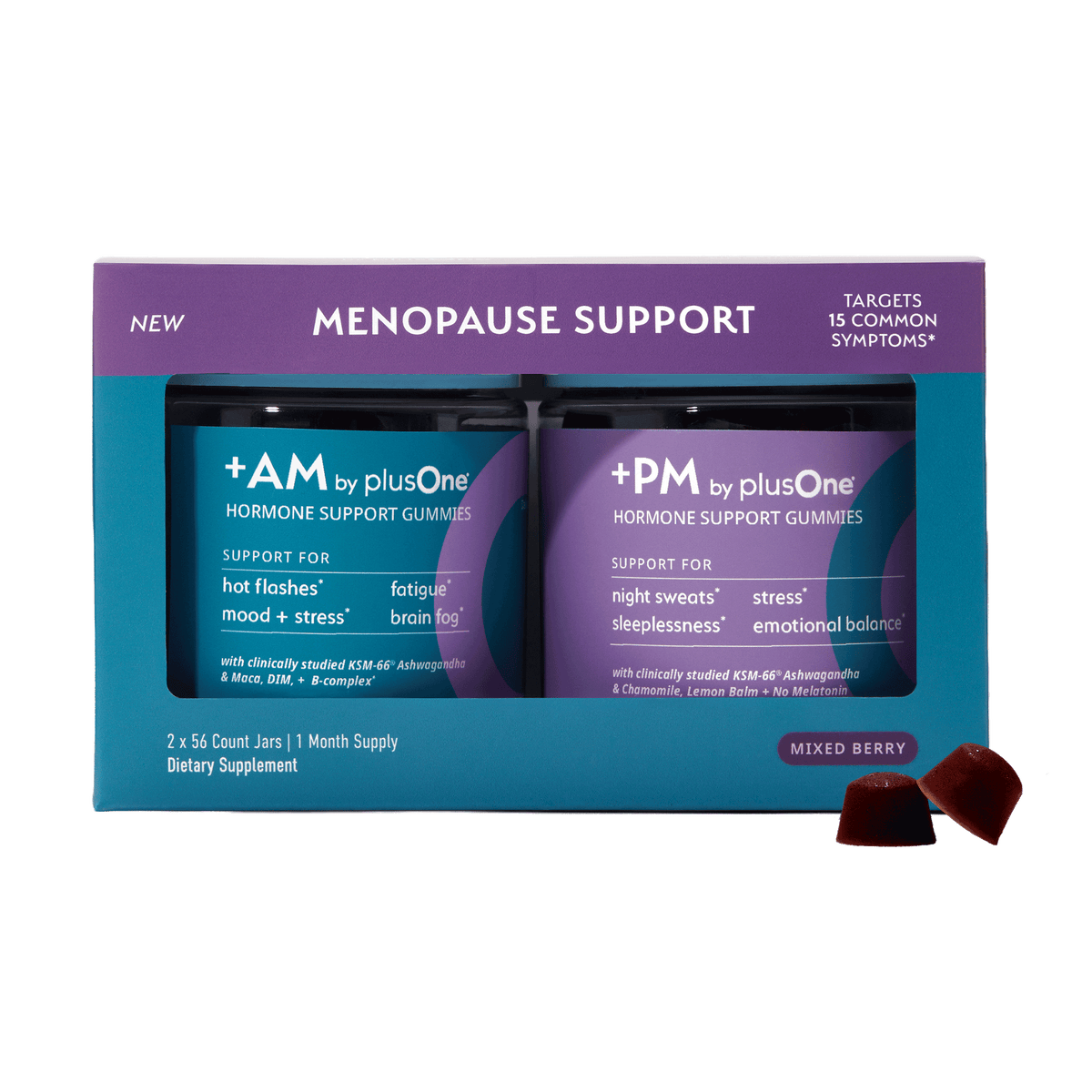
These markers are not guarantees, but they are strong signals that the company takes quality assurance seriously. Brands like MyPlusOne, for instance, build their products around non-hormonal supplements and allergy-free formulas, which means they cannot afford to cut corners on testing. If you are sensitive to common allergens or follow a vegan diet, you need to know that the gummy is actually gluten-free and free from animal-derived ingredients. Third-party testing provides that confidence.
The Difference Between Testing and Certification
It is worth noting that third-party testing and third-party certification are not the same thing. Testing might happen once per batch or once per year, while certification involves ongoing monitoring, facility inspections, and random sample testing. A product that is simply tested is better than one that is not tested at all, but certification carries more weight.
I have seen brands advertise "lab tested" without naming the lab or explaining what they tested for. That is a red flag. Legitimate third-party testing is transparent. The company should be able to tell you which organization performed the test and what standards were applied. If that information is missing or buried, the testing may be minimal or done by a lab with ties to the manufacturer.
For women's wellness products, especially those targeting intimate health or menopause relief, the difference between a tested product and a certified one can affect how well the supplement works. Clinical research often relies on ingredients that have been tested at specific doses. If the gummy does not deliver that dose consistently, you are not getting the benefit the research suggests.
Vegan Gummies and Allergy-Free Formulas
Many women prefer vegan gummies because they avoid gelatin, which is derived from animal bones and skin. Vegan gummies use pectin, starch, or other plant-based thickeners instead. But vegan formulations can be trickier to manufacture. They may separate or spoil faster if not made correctly. That is another reason third-party testing matters for vegan products. You want to be sure the gummy holds together and stays potent through its shelf life.
Allergy-free formulas add another layer of complexity. A product that is free from gluten, dairy, soy, and common allergens must be produced in a facility that avoids cross-contamination. A clean label claim is only meaningful if it is backed by testing. When a brand states its gummies are gluten-free, third-party testing confirms that the product meets the FDA standard for that claim.
For women dealing with sleep issues, melatonin-free options are increasingly popular. Melatonin can be effective, but it is also a hormone and can interfere with natural sleep cycles if overused. Non-hormonal alternatives like botanical extracts - chamomile, lemon balm, or ashwagandha - require precise dosing to be effective without causing drowsiness the next day. Third-party tested wellness gummies that are melatonin-free give you a reliable alternative without the guesswork.
The Bottom Line on Quality Assurance
Choosing a supplement should not require a degree in chemistry. But a little bit of label literacy goes a long way. The next time you are looking at a bottle of gummies for sleep support or menopause relief, take an extra minute to check for third-party testing marks. If the brand does not mention them, consider reaching out to customer service and asking directly. Reputable companies are usually happy to explain their testing process.

I have been using third-party tested wellness gummies for about a year now, and the difference is noticeable. They are not necessarily better tasting or more colorful than the generic ones I used before. But I feel more confident that what I am taking is actually what the label says it is. That peace of mind matters, especially when you are trying to support something as complex as a woman's hormonal or reproductive health.
The supplement market is crowded, and it is easy to get distracted by attractive packaging or celebrity endorsements. But the real measure of a quality product is not how it looks on the shelf. It is the independent verification that happens behind the scenes. Third-party tested wellness gummies offer a level of accountability that benefits everyone, especially women who are navigating the specific challenges of intimate health, menopause, and sleep.